How to Grow Wall Flowers
Wallflowers are pretty, easy to grow flowering plants that can add brightness and charm to any garden. They are delightful plants that bloom year-round, and they can be grown in pots or containers, hanging baskets or directly in the soil in garden beds. Wallflowers are popular plants because of the vibrant colors and sweet fragrance they produce and, in this guide, we will provide practical tips to ensure your wallflowers grow beautifully.

1. Timing
Timing is critical when it comes to planting wallflowers. Typically, it is best to plant them in the autumn or early spring between March and April. Planting during these periods enables the wallflowers to root and become more established before the summer months.
2. Location
Wallflowers require a location that is exposed to sunlight, and they should not be planted in an area that is too shady. Wallflowers need to be in a place that gets the sun for at least six hours a day. An area that has partial shade may be suitable for some varieties of wallflowers. Remember, planting wallflowers in a sheltered location helps to protect the plants from harsh weather conditions that could damage them.
3. Soil
Wallflowers need fertile, well-draining soil that is sandy or loamy. Soil that is too dense or waterlogged could result in root rot, which can kill the plants. Mixing bone meal or a general-purpose fertilizer into the soil before planting can provide the plants with vital nutrients necessary for growth.
4. Watering
Wallflowers need moist soil, but they do not like to be waterlogged. Watering the plant twice a week is generally sufficient, but this may vary based on the weather and the size of the plant. For instance, a larger mature plant may require more watering. In periods of high-drought, wallflowers may need more frequent watering.
5. Fertilization
Fertilizing wallflowers typically isn't necessary, but it can help encourage healthy growth and blooming. If you notice your plants struggling or failing to thrive, you may consider fertilizing them with a slow-release fertilizer recommended for flowering plants. Be sure to follow any instructions on the package for how much and how often to apply.
6. Pruning
Pruning wallflowers are important because it encourages new growth, and it keeps the plants healthy. The ideal time to prune wallflowers is in late summer after the plant has stopped flowering. Cut the stems back to the base, leaving only a few healthy leaves at the bottom.
7. Pest control
The most common pest affecting wallflowers is aphids. These small insects cluster on the foliage and flowers of the plant, causing them to wilt or become deformed. You can control the insects by spraying the plants with insecticidal soap or neem oil. Wiping the leaves with a soft cloth dipped in soapy water can also help.
In conclusion, wallflowers are an excellent choice to add to any garden, and with the right care, they can thrive and showcase their vibrant colors and sweet fragrance. By following the above tips, your wallflowers can grow impressively and flourish with ease. Best of all, they require minimal maintenance, making them an ideal addition to any garden, even for new and inexperienced gardeners.
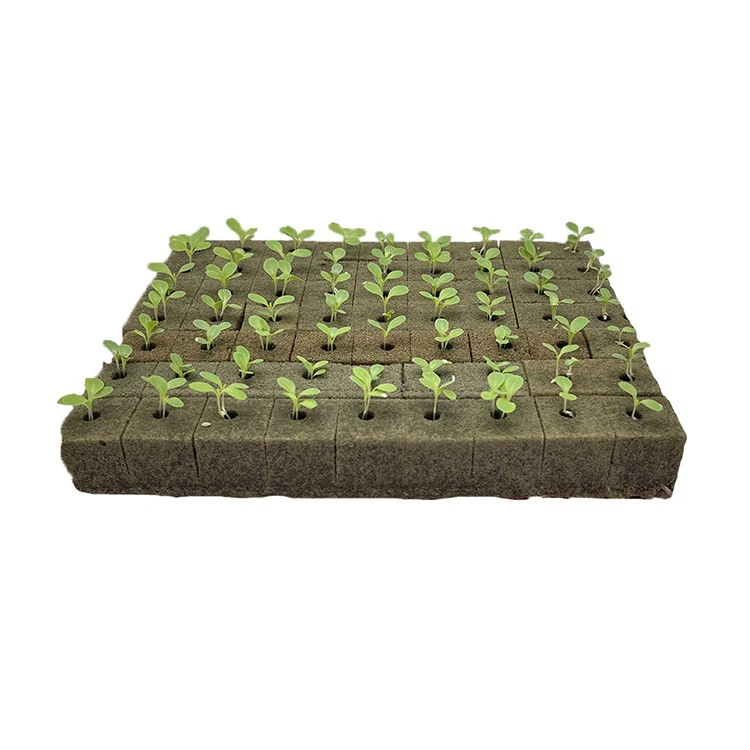
In a wall farm, one of the most important and critical factors to consider is the plant growth medium, which is directly related to the successful growth of plants.Today, I would like to introduce you to a new type of plant growing medium - Tenlead plant growing media.
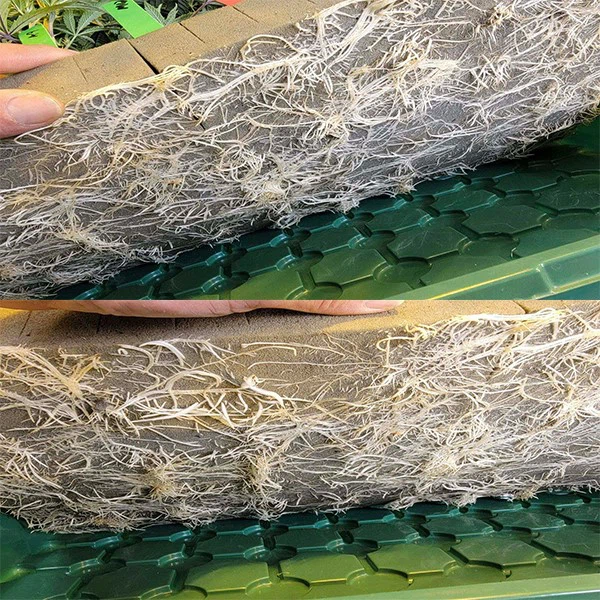
Tenlead Hydroponic Planting Cubes are made from phenolic foam, which is a kind of eco-friendly and cost-effective material.Ready-to-use in numerous configurations right out of the box. The consistency of the cube creates more uniform rooting success. Superior cutting hydration: Less need for misting simplifies growing process Low Cation exchange properties: Improves the speed, precision and availability of nutrients Sterile media arrives pathogen-free, to help reduce disease and insect problems Roots remain undisturbed during transplant, eliminating plant shock Easy to separate cells.
This Cube is specially engineered for the hydroponics seedling production of vegetables and herbs as it is having lower density and higher drainage foam. The higher drainage design helps to maintain an ideal air to water balance, even under heavy watering conditions. The enhanced drainage also keeps the top of the cube drier, helping to minimize algae growth.
Product Parameters
|
Material |
phenolic foam |
|
Density |
11-20kg/m³ 40-50kg/m³ |
|
Pore space |
90-98% |
|
PH value |
6.5-7.4 |
|
Electrical conductivity(ds/m, 20C degrees |
0.55 |
|
Shrinkage |
< 0.01% |
|
Compressive strength(kpa) |
20-31 |
|
Fully available water(%vol) |
50-61% |
|
Water retention time(h) |
72-144 |
|
Water retention capacity(%vol) |
50-91% |
Regular Size: 250x250x30mm per sheet (100 small cubes per sheet).
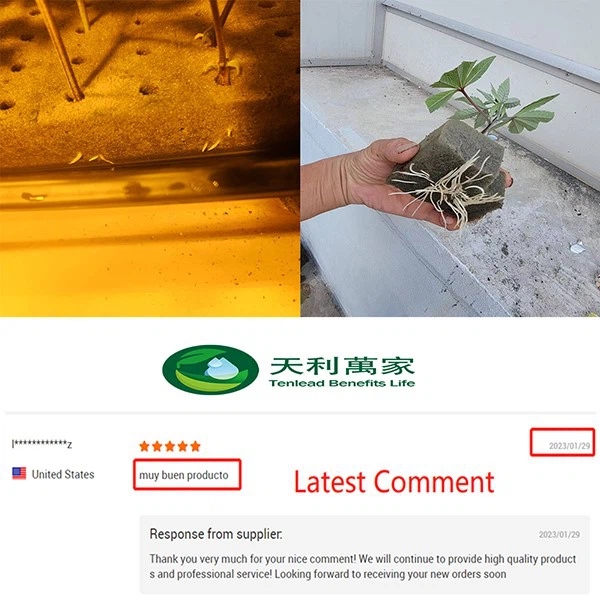
Some Cases
FAQ
Q: What's your Payment terms?
A: T /T, Western Union, etc.
Q: What is the packaging of goods?
A: Carton packaging. Can be packaged according to customer requirement.
Q: Are you trading company or manufacturer ?
A: We are manufacturer,our factory located in Xiamen City, Fujian Province.
Q: How do you pack your product?
A: We adopt standard export package,cartons, also can pack it by your requirement.
If you have any interests, please feel free to contact us.
Hot Tags: Grow Wall Flowers, Growing Cubes, Planting Cubes, Hydroponic Growing Media, Plant Growing Mediums, Seedlings Foam Plant Media