

How to Start a Smart Garden
Gardening is enjoyable and rewarding, but it can also be a lot of work. Smart gardening, however, makes the process a lot easier. It is an innovative approach to gardening that employs the use of technology to control the conditions in the garden for optimal growth. In this article, we will discuss how to start a smart garden in Australia.

Step 1: Choose the type of garden system.
There are four main types of smart garden systems:
1. Smart in-ground gardens
2. Vertical hydroponic systems
3. Aeroponic systems
4. Smart pots
The choice of the garden system will depend on your space, budget, and preference. In-ground gardens are ideal for large spaces, while vertical hydroponic systems are useful in small spaces.
Step 2: Plan the garden.
It’s essential to plan the garden before starting. Determine what you want to grow, where you want to grow it, and what your budget is. The plan should also consider the weather conditions in your area, sun exposure, and the type of soil in your garden.
Step 3: Gather the necessary materials.
To start a smart garden, you will need the following materials:
1. Smart garden system
2. Soil
3. Fertilizers
4. Seeds or transplants
5. Gardening tools
6. Smart sensors and controllers
Smart sensors and controllers are crucial for a successful smart garden. They help monitor and adjust the conditions in the garden, such as humidity levels, temperature, and soil moisture.
Step 4: Install the smart sensors and controllers.
The sensors and controllers are critical components of a smart garden system. They help monitor the conditions in the garden and make adjustments where necessary. Install them in your garden and connect them to a smart device, such as a smartphone or tablet. This will enable you to monitor and control the garden from anywhere.
Step 5: Set up the garden system.
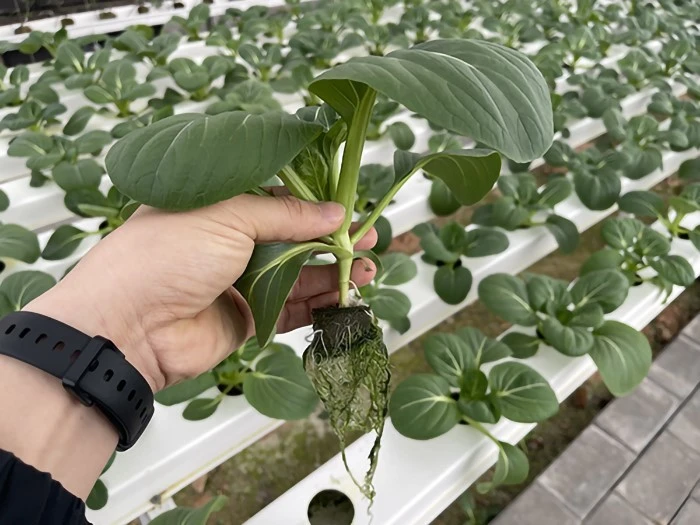
Once you have all the necessary materials, it’s time to set up the garden system. In-ground gardens require soil preparation and fertilization, while hydroponic and aeroponic systems involve setting up pumps, pipes, and a nutrient-rich water solution.
Step 6: Plant the seeds or transplants.
After setting up the garden, it's time to plant the seeds or transplants. Make sure to follow the instructions on the seed packets or plant labels for optimal growth.
Step 7: Monitor and maintain the garden system.
Smart gardens require regular monitoring and maintenance to ensure optimal growth. Check the sensors and controllers regularly and adjust them accordingly. Also, fertilize the plants regularly and ensure they get adequate water and light.
Smart gardens are an excellent way to grow plants with minimal effort. With the right planning, equipment, and maintenance, you can grow a beautiful and healthy garden in Australia.
Vertical farms rely heavily on technology and automation to optimize growing conditions and crop yields. Artificial lighting is provided with the help of LED and other types of light sources to simulate the sunlight needed for photosynthesis. Temperature control, humidity, and air quality levels are carefully monitored and adjusted to ensure that plants grow in optimal conditions. Most vertical farms also use hydroponic systems in which plants are fed with nutrient-rich water, rather than traditional soil.
One of the biggest advantages of vertical farming is its ability to produce crops all year-round, in any weather conditions, and in any location. This means that crops can be grown closer to their end users, reducing the need for long-distance transportation, and reducing the carbon footprint associated with transportation. Additionally, vertical farms can be established in urban areas, thereby reducing the need for land and providing fresh produce to city dwellers.
Another benefit of vertical farming is its potential for increased yield compared to traditional farming. By stacking plants vertically, crops can grow in a smaller area, thus producing more crops per square meter. This also allows farmers to be more efficient with their use of water and other resources, reducing waste and enhancing sustainability.
Vertical farming also provides an opportunity for farmers to grow more nutritional crops. Because of the controlled environment, farmers can optimize the nutrient levels of the crops they grow, ensuring that they are low in pesticides and other harmful chemicals. Additionally, vertical farming provides an opportunity to grow rare and exotic crops that would not typically be available in the local market.
In summary, vertical farming is an innovative method of growing crops that is designed to reduce the impact of farming on natural resources while increasing the efficiency of crop production. By using advanced technology and automation, vertical farms produce more crops per square meter, reduce waste, and provide fresh, nutritional produce to urban areas. Vertical farming is an exciting development that is poised to revolutionize the agricultural industry and provide sustainable and affordable food options for people worldwide.
Plant Growing Cubes:
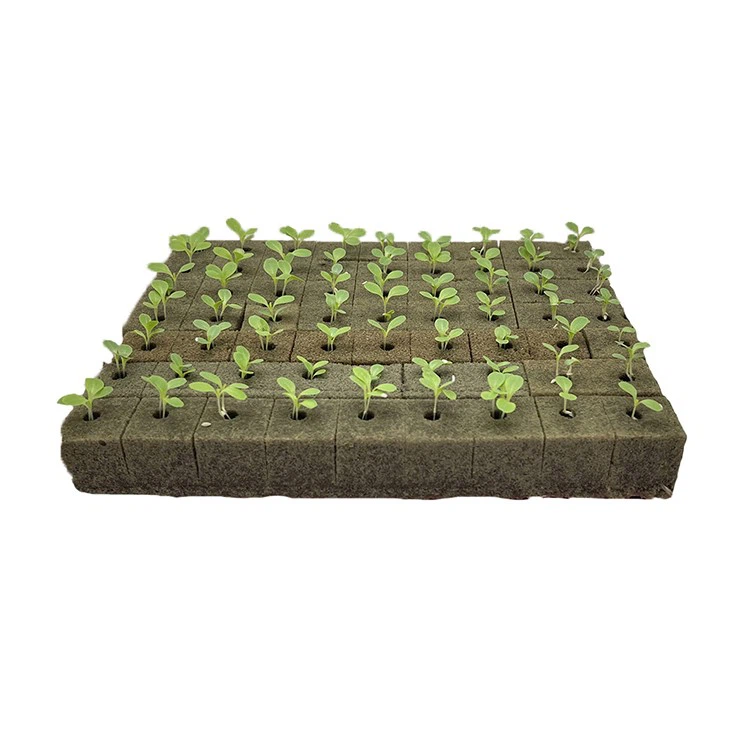
Hydroponic system is essential to grow vegetables and fruits in a vertical farming. Placing the seeds in substrates and planting troughs, by controlling the irrigation system, light intensity, etc. in the vertical farming, the plant owners can ensure their plants obtain the proper nutrients and water to grow healthy and strong.
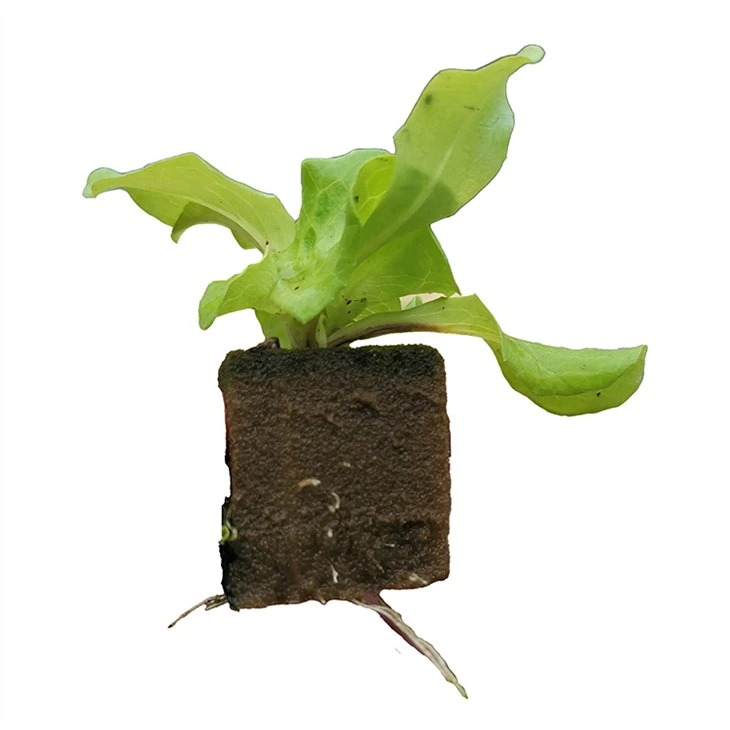
Today, I would like to introduce our latest generation growing media called hydroponic plant growing cubes. Tenlead plant growing cubes are made of phenolic foam. It has good air permeability and strong water absorption, which is conducive to the growth of roots and promotes the absorption of nutrients and oxygen,plants grow faster and stronger,super harvest tailored for tomato, cucumber, melon, herb, veggies. They are also good seed starter. Perfect for starting new plants from seed or hydroponics. Made of environmentally friendly and non-toxic material,Their color is green but when they touch the air, the color may become the yellow. This case is normal. It won't influence the using of them. Please don't worry. It is easy to use. Perfect for vertical farming hydroponic plants and planting vegetables.
Regular Size: 250x250x30mm per sheet (100 small cubes per sheet).
Product Parameters
|
Material |
phenolic foam |
|
Density |
11-20kg/m³ 40-50kg/m³ |
|
Pore space |
90-98% |
|
PH value |
6.5-7.4 |
|
Electrical conductivity(ds/m, 20C degrees |
0.55 |
|
Shrinkage |
< 0.01% |
|
Compressive strength(kpa) |
20-31 |
|
Fully available water(%vol) |
50-61% |
|
Water retention time(h) |
72-144 |
|
Water retention capacity(%vol) |
50-91% |
Company Overview


FAQ
Q: What are your payment terms?
A: T/T.
Q: How can you guarantee your quality?
A: Always a pre-production sample before mass production, and final inspection before shipment.
Q: Do you support OEM/OEM?
A: Yes, we can make your logo on products, packages if your order reached our customized quantity.
Q: How is the quality of your plant growing cube?
A: High quality with low EC and pH levels, no weeds.
Q: What about your packages?
A: Carton box
Any thoughts and questions will be appreciated!!!
Hot Tags: Smart Garden Australia, Growing Cubes, Phenolic Foam Cubes, Soilless Hydroponics Pot Tool Propagation Cube, Seed Starting Cubes


