


How to Build a Vertical Farm in the US
Vertical farming is a relatively new concept in agriculture, aimed at addressing the growing need for food production in an efficient, sustainable, and environmentally friendly way. A vertical farm is a multi-story structure designed for growing crops in a closed environment, using controlled lighting, irrigation, and temperature systems. The following are the steps required to build a vertical farm in the US.

1. Plan and Design: The first step in building a vertical farm is to plan and design the structure. The design should incorporate the latest technologies in lighting, irrigation, and environmental control systems to maximize crop yields and minimize energy costs. The structural design should take into account the building height, weight, and load-bearing capacity of the vertical farm.
2. Obtain Permits: Before starting construction, it is essential to obtain all necessary permits and licenses from local government and regulatory authorities. This includes zoning permits, building permits, fire safety permits, electrical permits, and environmental permits.
3. Choose a Location: The vertical farm's location is critical and should be chosen based on accessibility, proximity to marketplaces or distribution channels, and availability of resources, such as water and electricity. The location should also consider factors such as environmental sustainability, energy efficiency, and the availability of skilled labor.
4. Construction: The construction of a vertical farm requires a team of engineers, architects, and contractors with experience in building complex structures. The construction should adhere to all building codes and safety standards, with emphasis on sound structural engineering, insulation, ventilation, and moisture control. The vertical farm should also be designed with consideration of ease of maintenance and safety.
5. Equipment Installation: Once the construction is complete, the next step is to install the equipment necessary for vertical farming. These include irrigation systems, lighting systems, climate control systems, and hydroponic setups with nutrient solutions. Automated systems should be installed to monitor and control the environment, nutrient, and light levels.
6. Crop Selection: The next step is to choose the crops to be grown in the vertical farm. The selection should be based on the availability of resources, market demand, and the ability of the vertical farm to produce high yields of high-quality crops.
7. Operation and Maintenance: The final step in building a vertical farm is operation and maintenance. The produce grown in the vertical farm should be monitored for quality, and the environment should be controlled to ensure nutrient and moisture levels remain optimal. Maintenance should be done regularly, and any repairs should be carried out as necessary.
In conclusion, the demand for food in the US is set to increase, and vertical farming offers an innovative solution to meet this demand. Building a vertical farm requires careful planning, design, equipment installation, and maintenance to ensure optimal crop yields, cost-effectiveness, and sustainability.
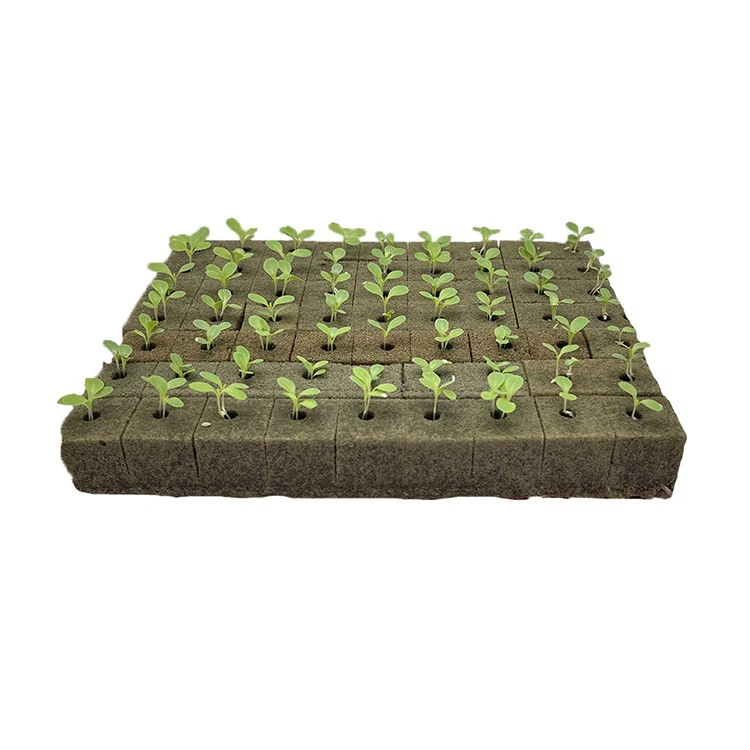
In a vertical farm, one of the most important and critical factors to consider is the plant growth medium, which is directly related to the successful growth of plants.Today, I would like to introduce you to a new type of plant growing medium - Tenlead plant growing media.
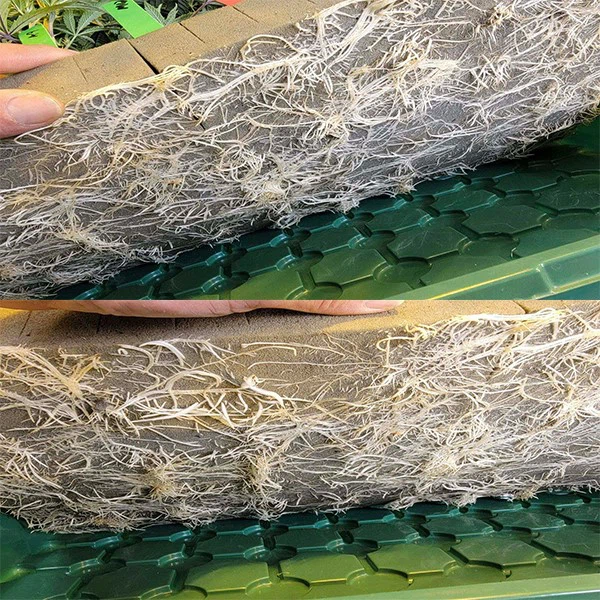
Tenlead Plant Growing Cube is a growing medium made from phenolic foam. It provides a high quality, sterile and inert root growing environment. It provides from 90%-98% air space in between its fibers while still giving excellent support for the plant. The Tenlead hydroponic growth cube is sterile and inorganic. Because it does not contain any organic matter, it helps to protect the root zone from harmful microorganisms. What most important is that it is biodegradable and will completely degrade after a period of time without polluting the environment. Conversely, some products that cannot be decomposed, such as rock wool, will take you a lot of time and cost to handle after planting. We firmly believe that it will be more valuable and expand its market in the future nursery garden work. They do not contain any chemicals, allowing plants to grow healthier. Unlike soil, The cubes do not block any nutrients. All elements in the nutrient solution can be used in plants, i.e. there is no soil interference. It is also effective in eliminating fungi and diseases common to young plants.
Product Parameters
|
Material |
phenolic foam |
|
Density |
11-20kg/m³ 40-50kg/m³ |
|
Pore space |
90-98% |
|
PH value |
6.5-7.4 |
|
Electrical conductivity(ds/m, 20C degrees |
0.55 |
|
Shrinkage |
< 0.01% |
|
Compressive strength(kpa) |
20-31 |
|
Fully available water(%vol) |
50-61% |
|
Water retention time(h) |
72-144 |
|
Water retention capacity(%vol) |
50-91% |
Regular Size: 250x250x30mm per sheet (100 small cubes per sheet).
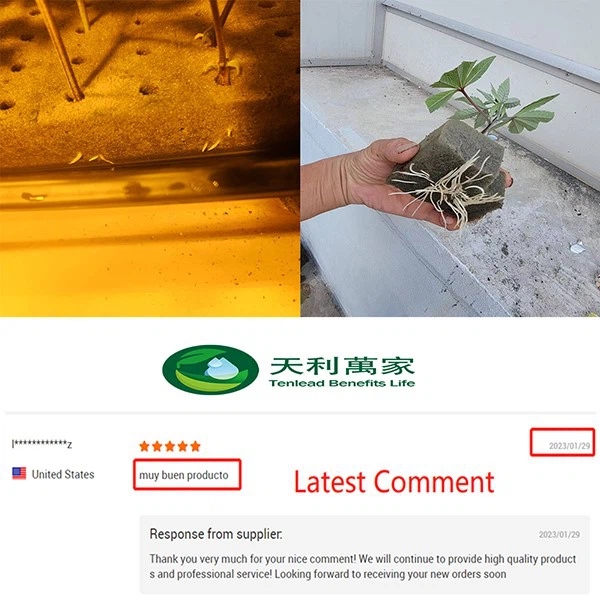
Some Cases
FAQ
Q: Could you offer original certificates?
A: Yes, we can offer all kinds of the original certificates according to customer's requirement.
Q: How about the quality control in your factory?
A: We strictly operate full QC process,such as incoming inspection,process inspection, final inspection. Each engine,generator and water pump must be tested in production line.
Q: What specification should we provide to get a Proper Quotation?
A: Application, density, dimension, color, quantity, packing requirements.
Q: Can we visit your factory for Product Inspection before delivery?
A: Yes, you are most welcome to visit our factory.
If you have any interests, please feel free to contact us.
Hot Tags: vertical farm in the us, manufacturers, suppliers, factory, for sale


