Soilless Cultivation of Melons and Vegetables
Soilless cultivation refers to planting crops without natural soil, but using water, peat or forest mulch, vermiculite and other media as the substrate of the root system of the plant or using nutrient solution to grow vegetables. In the production of melons and vegetables, It has the advantages of high yield, early maturity, water saving, light disease, and no pollution. Next, we will briefly introduce a soilless cultivation method, hoping to be helpful to everyone.
1. Soilless Cultivation of Leeks
a.Use a flower pot or a wooden trough with a depth of 18-20cm to fill a substrate with a depth of 1-2cm. The substrate is sterilized to avoid bacteria.
b. Choose leek roots that are more than two years old in the open field, cut off the old roots and leaves, and leave the shortened stems and insert them into flower pots or wooden troughs.
c. When inserting, make 3-4 plants into a pinch, and the distance between rows is 3.3cm. Water thoroughly after planting (once every other day), and then pour nutrient solution after a new crop grows (every day) Water 1 time every other day).
d. Water and nutrient solution every 1-2 days in spring, summer and autumn, and water and nutrient solution every 3-4 days in winter.
e. Do not water nutrient solution in rainy days, afternoon and night. We need to water more nutrient solution for yellow leaves, and less nutrient solution for black leaves.

2. Soilless Cultivation of Cucumber
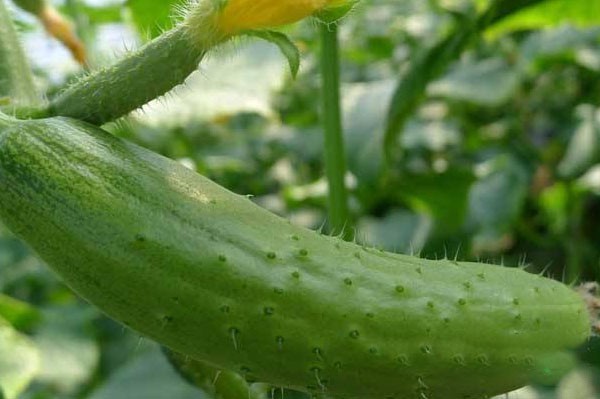
a. There is no need to slow seedlings to grow cucumbers, so large seedlings can be used for transplantation, which is beneficial to increase the total output.
b. After the cucumber is transplanted, insert wooden strips to tie it firmly, leaving only one main vine and 1-2 side vines to bear fruit.
c. Topping when there are 5-6 leaves at the upper end of the melon.
d. The next stubble seedlings can be cultivated in the vigorous period of cucumbers.
e. Cucumbers can be eliminated after the vigorous period of fruiting, and replaced with strong seedlings that have been bred in advance, so that cucumbers can always grow vigorously, produce more fruits, and increase benefits.
3.Soilless Cultivation of Watermelon
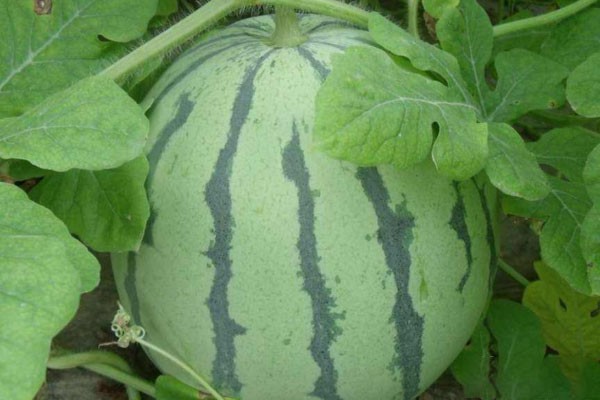
a. Watermelon soilless cultivation has the advantages of early maturity, high yield, good variety and high economic benefits.
b. Use a porcelain basin or plastic bag with a diameter of 30 cm and a height of 45 cm. The lower part is filled with 15 cm thick pebbles, and the upper part is filled with 80% to 90% of the substrate, and the watermelon seeds that are accelerated to germinate are sown in it.
c. Sow 1-2 seeds in each pot, and leave a strong seedling at the end.
d. After transplanting the seedlings and surviving, start to water the nutrient solution. The dosage of each plant is 200-500g, once in the morning and in the afternoon. The dosage can be reduced at the seedling stage. When the temperature is high and the light is strong, it can be watered once at noon.
e. Each watermelon can only be kept one main vine or one main vine and one side vine, and produce 1-2 melons.
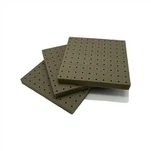
Today, we are going to introduce a new planting media for you----Tenlead Planting Cube. Tenlead Planting Cube is a growing medium made from phenolic foam. It provides a high quality,sterile and inert root growing environment. It provides from 90%-98% air space in between its fibers while still giving excellent support for the plant.
The Tenlead hydroponic growth cube is sterile and inorganic. Because it does not contain any organic matter, it helps to protect the root zone from harmful microorganisms. What most important is that it is biodegradable and will completely degrade after a period of time without polluting the environment. Conversely, some products that cannot be decomposed, such as rock wool, will take you a lot of time and cost to handle after planting. We firmly believe that it will be more valuable and expand its market in the future nursery garden work.

The planting cubes do not contain any chemicals, allowing plants to grow healthier. Unlike soil, and the cubes do not block any nutrients. All elements in the nutrient solution can be used in plants, i.e. there is no soil interference. It is also effective in eliminating fungi and diseases common to young plants.
If you have any thoughts and questions, please feel free to contact us!!!