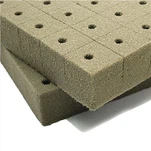
Which vegetables can be cultivated soilless? What are the advantages of soilless cultivation?
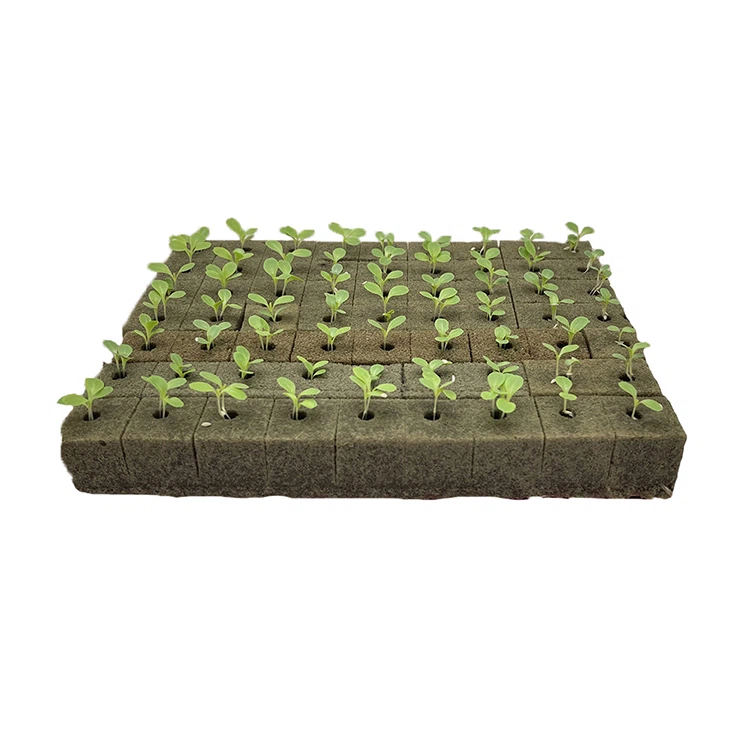
In the development of the planting industry in the past few years, soilless cultivation has developed at a very amazing speed. Most of us is not very familiar with this technique, and even some farmers have begun to plant with plant growing cubes for a long time. So let's take a look at the types of soilless cultivation, vegetables that can be cultivated without soil and what are its advantages.
The type of soilless cultivation.
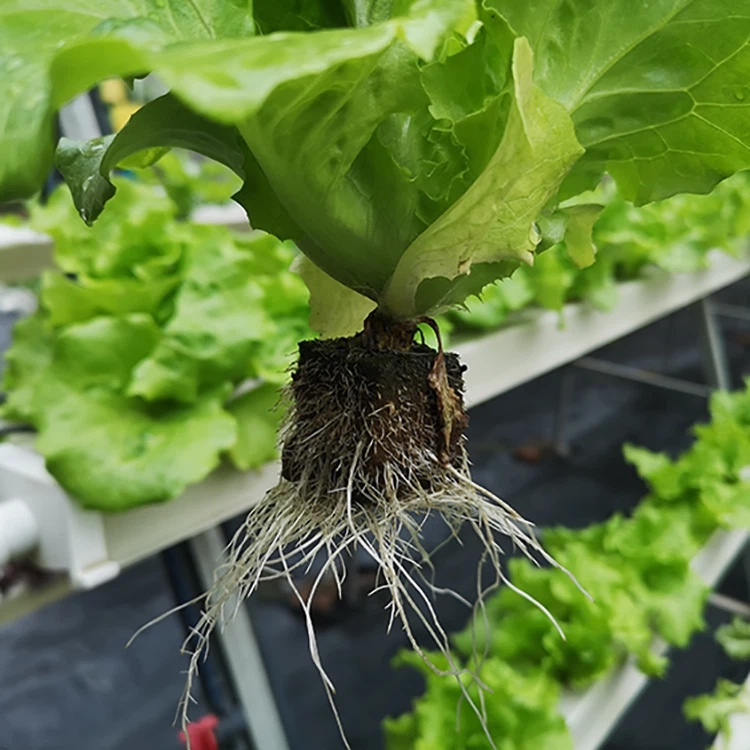
The types of soilless cultivation include soilless hydroponics, rock wool cultivation, substrate cultivation and other methods.
Vegetables that can be cultivated without soil
1. Soilless hydroponics: water spinach, celery, lettuce, leek, rape, beets, garlic sprout, amaranth and other vegetables.
2. Rock wool cultivation: sweet pepper, cucumber, tomato, bitter gourd, zucchini and other vegetables.
3. Substrate cultivation: tomato, potato, bell pepper, chilli pepper, eggplant and other vegetables.
The advantages of soilless cultivation
1. Improve the Yield: the nutrient solution in soilless cultivation is artificially prepared for crops at their different growth stages according to their needs. So crops can scientifically obtain nutrients and thus grow robustly.
2. Environmental-Friendly: The inorganic fertilizer used in soilless cultivation does not produce polluting gases, so it is very good for environmental protection.
3. Labor-, Water-and Fertilizer-Saving: Soilless cultivation is not like ordinary one, which requires turning the land, cultivating and weeding, so it saves labor and time. Moreover, water and fertilizer are supplied together in regular quantities, so there is aslo no waste.
4. Avoid Succession Cropping Obstacle: Soilless cultivation fundamentally solves the problem of succession cropping obstacle, and farmers no longer have to worry about troubles such as diseases and pests.
5.Planting Environment is not Restricted: Soilless cultivation makes crops not limited by soil quality and water conditions, and the range of types of vegetables that can be grown has been greatly expanded.
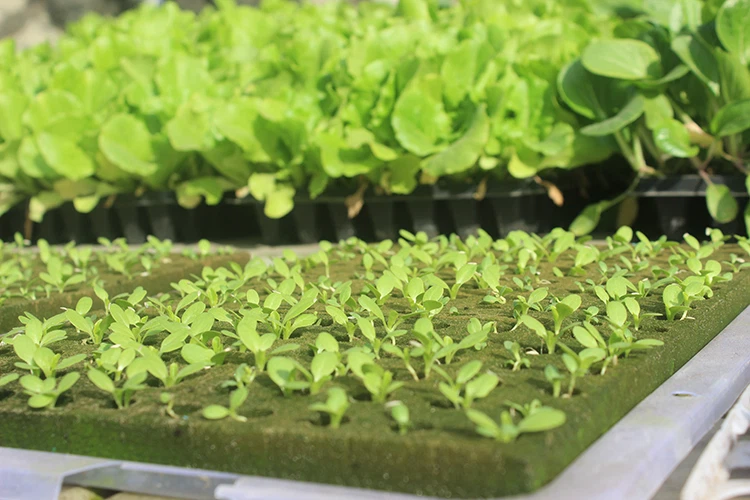

Finally, another big advantage of soilless cultivation is that the space can be fully utilized, and farmers do not have to find plots for planting, and they can do cultivation on balconies, rooftops and other places.