What is Hydroponics?
The plants look good but are difficult to take care of. Either the soil is not selected correctly, or they are prone to diseases and insect pests. If we don't choose the right fertilizer, the plants will wilt. At this time, hydroponics has shown their advantages. Not only can these problems be perfectly solved, but also the operation is simple, even the novices can easily get started.

What is Hydroponics?
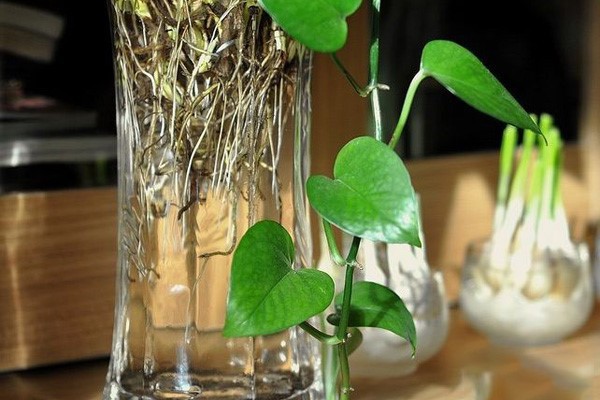
Hydroponics is a new type of indoor soilless cultivation, also known as nutrient solution cultivation. Its core is to fix the rhizomes in the planting basket and make the roots grow naturally in the plant nutrient solution. This nutrient solution can replace soil to provide plants with growth factors such as water, nutrients, and temperature, so that plants can grow normally and complete their entire life cycle.
The operation of hydroponics is very convenient. As long as putting the seeds in the substrate, and adding water, nutrient solution and sufficient light, fully automatic indoor cultivation can be realized. This mode avoids the disadvantages of soil culture, reduces the limitations of planting and enlarges the operating space, making planting a simple and beautiful thing, saving time and effort, of course, it has zero pollution.
1. Seedlings
Hydroponics is a kind of substrate-free cultivation, but the seedlings need substrates.
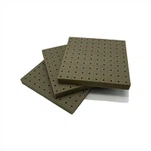
Today, we want to introduce you to a new generation of planting media ---- Tenlead Plant Growing Cube. Tenlead Plant Growing Cube is made from phenolic foam. It provides a high quality, sterile and inert root growing environment. Hydroponic growing cube provides from 90%-98% air space in between its fibers while still giving excellent support for the plant. It is sterile and inorganic. Because it does not contain any organic matter, it helps to protect the root zone from harmful microorganisms.
What most important is that it is biodegradable and will completely biodegrade after a period of time without polluting the environment. Conversely, some products that cannot be decomposed, such as rock wool, will take you a lot of time and cost to handle after planting. We firmly believe that it will be more valuable and expand its market in the agricultural industry.
The planting cubes do not contain any chemicals, allowing plants to grow healthier. Unlike soil, these cubes do not block any nutrients. All elements in the nutrient solution can be used in plants, i.e. there is no soil interference. It is also effective in eliminating fungi and diseases common to young plants./It can also effectively eliminate the common fungi and diseases of young plants.

2. Growing
There is no substrate to fix the roots in hydroponic, and the root system grows in nutrient solution or moist air containing nutrient solution.
3. Nutrient Solution
Nutrient solution preparation is the core to ensure the normal growth of hydroponic plants, and it is also the basis and key of hydroponics. According to the nutrient requirements of the growth, the solution prepared by dissolving a certain amount of fertilizer in water in an appropriate proportion is the nutrient solution.
Daily Maintenance
In general, most hydroponic plants prefer a humid, warm environment. In terms of temperature, it is best to keep the room temperature at around 15 to 30 degrees, so that plants can grow better.
In terms of nutrient solution, the concentration of nutrient solution required by hydroponic plants is different, but it is best not to be too thick or too diluted----just appropriate. After a period of time, growers should replace the nutrient solution in time. Generally, for vegetables with a short growth cycle, the nutrient solution should be replaced between every crop, and for fruits and vegetables, the nutrient solution should be replaced every two months.